
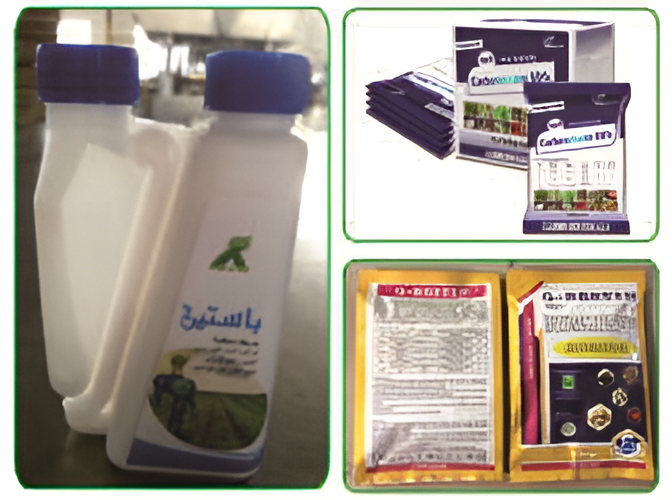
Common name: Carbendazim
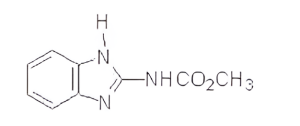
Chemical name:
Methyl 1H-benzimidazol-2-ylcarbamate
Chemical class: Fungicide
Molecular formula: C8H8N3O2
CAS NO.: 10605-21-7
Properties:
White to light brownpowders, odourless, non-hygroscopic crystals or powder. M.p. 134°C; (tech., 128-128.5 °C). V.p. 5×10⁻⁴ mPa (25°C). S.g./density 1.00 (20°C); (tech., 1.434-1.435). In water 13 mg/L (20°C). In n-octanol 10, acetonitrile 168, toluene 150, ethyl acetate 225, acetone 342, dichloromethane 450, hexane 0.59 (all in g/L, 20°C).
Mode of action:
Systemic fungicide with protective and curative action. Absorbed through the roots and green tissues, with translocation acropetally. Acts by inhibiting development of the germ tubes, the formation of appressoria, and the growth of mycella.
Usage:
Control of Septoria,Fusarium, Erysiphe and Pseudocercosporella in cereals; Sclerotinia, Alternaria and Cylindrosporium in oilseed rape; Cercospora and Erysiphe in sugar beet;Uncinula and Botrytis in grapes; Cladosporium and Botrytis in tomatoes;Venturia and Podosphaera in pome fruit and Monilia and Sclerotinia in stone fruit.Application rates vary from 120-600 g/ha, depending on crop.A seed treatment (0.6-0.8 g/kg) will control Tilletia,Ustilago,Fusarium and Septoria in cereals,and Rhizoctonia in cotton. Also shows activity against storage diseases of fruit as a dip (0.3-0.5 g/l).
Normal Formulations:
98%Tech72%WP50%WP50%SC